


AI-native modeling and simulation
for power, control, energy, mechatronic, and cyber-physical systems.

Build system models, run simulations locally, analyze results, and produce technical reports — with a first-class Modelica IDE built in.

Preview · requires AgenticEMT

Works with Claude Code, Codex, Cursor, or any compatible MCP client See how

Open, local, and interoperable.

Plain Modelica files

Open .mo files directly. Your files remain the source of truth.

Local simulation

Modex runs simulations on your own machine with the open-source OpenModelica compiler. Simulation files stay in your workspace.

Agent tools via MCP

Use Modex’s modeling tools with the built-in agent or a compatible external MCP client.

Fits your workflow

Use Modex alongside your existing engineering tools, with Modelica source kept as plain files.

Plot-native AI collaboration

Work with AI directly on simulation plots.

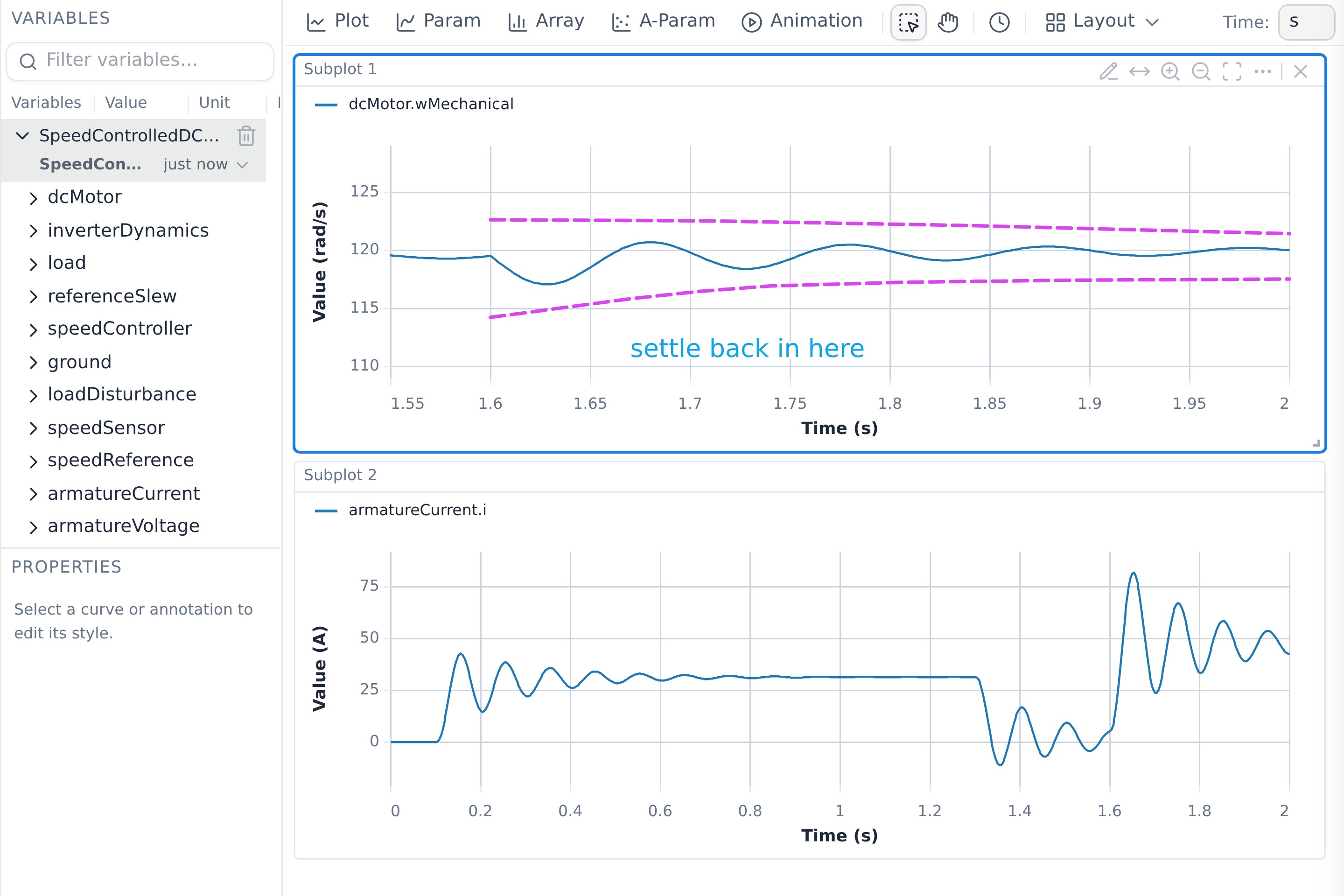
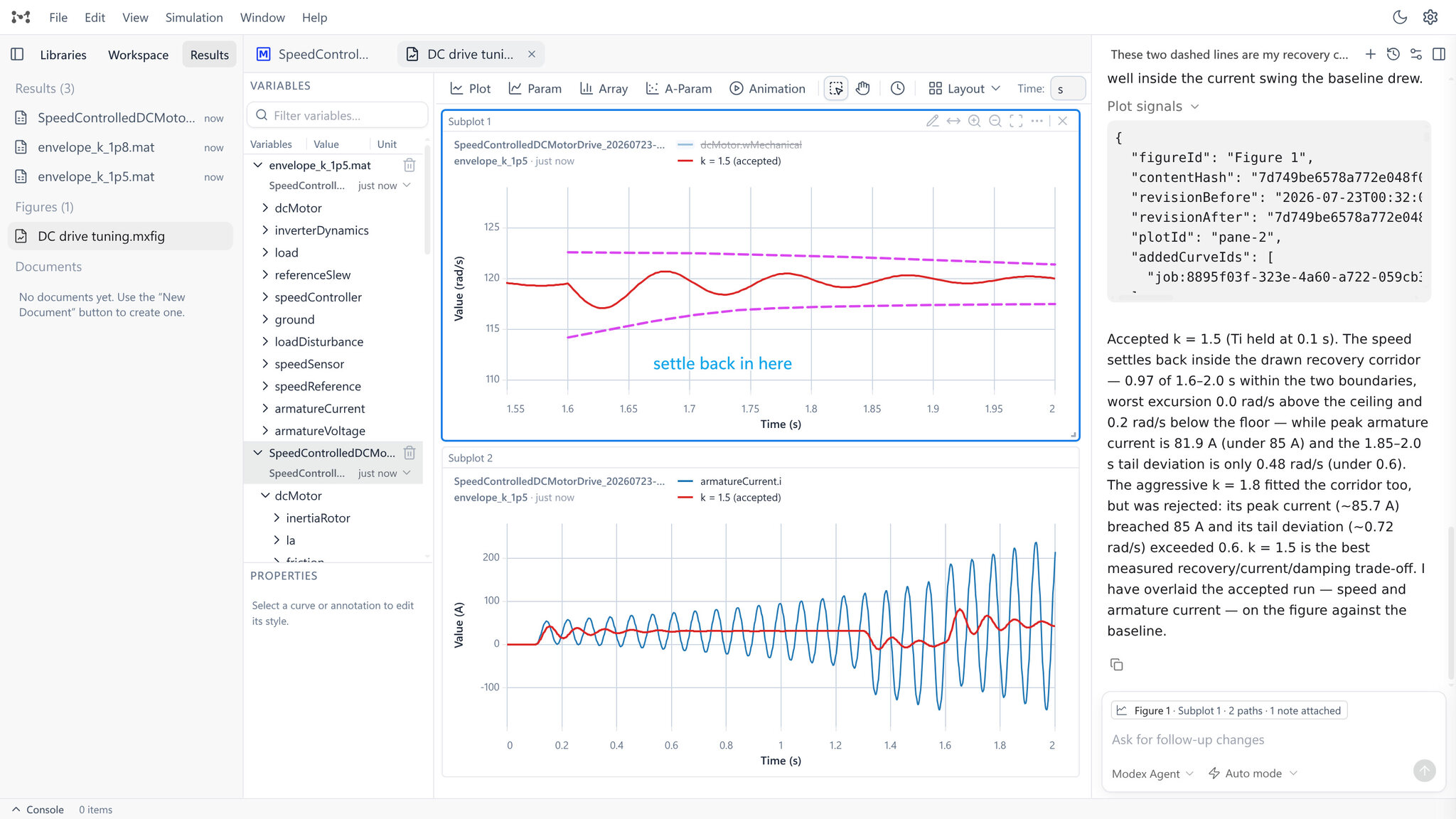
Draw paths, regions, arrows, or notes — or ask the agent to add them. Modex keeps annotations tied to the plot data, so they can guide questions, comparisons, and follow-up analysis. In this demo, a drawn target region guides controller tuning under a current limit.

Evidence-backed reporting

Build engineering reports from simulation evidence.

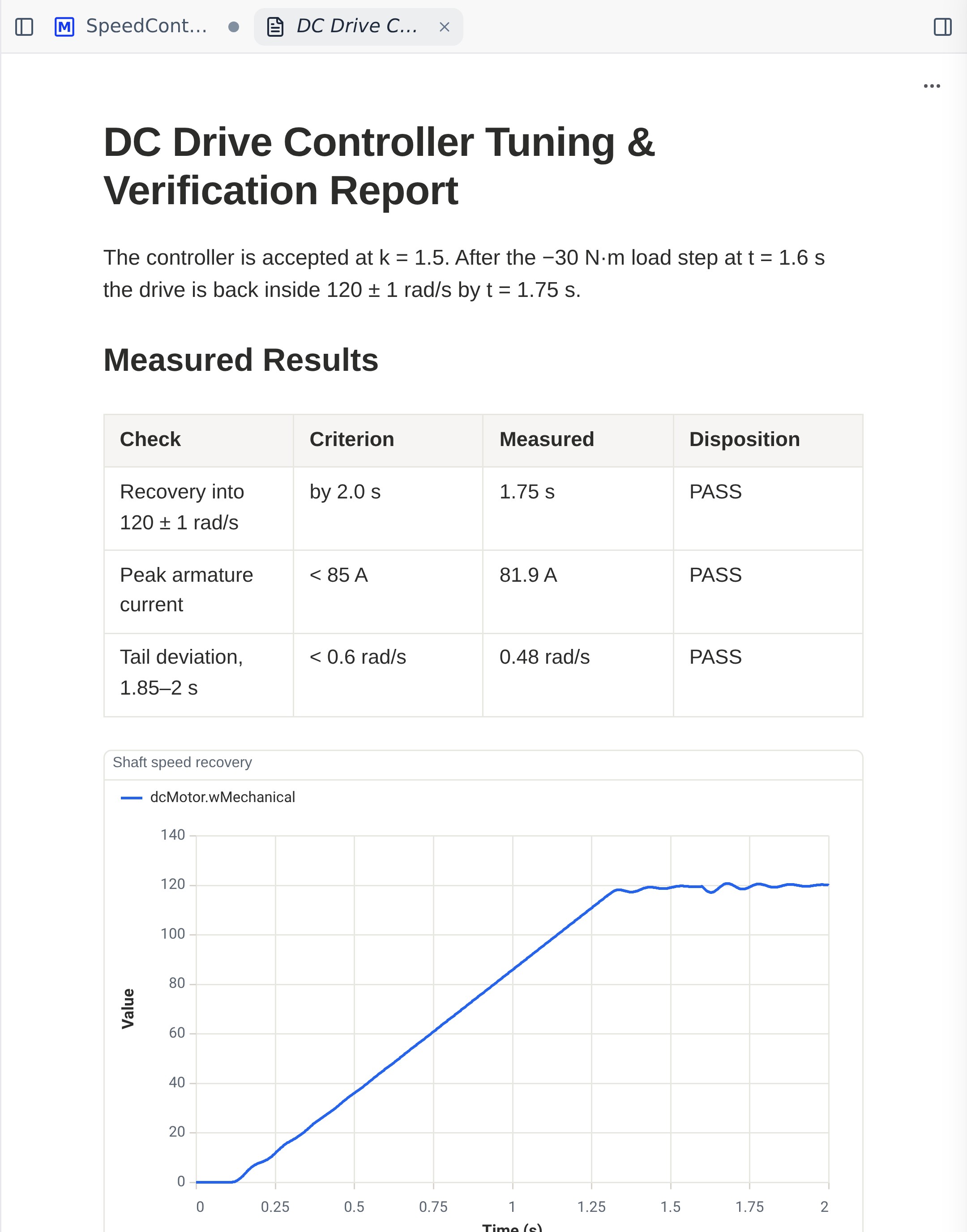
Draft the narrative yourself or with the agent, and add plots from completed runs or linked figures with their source preserved. In this demo, Modex compares operating points, adds a 150% load check, and records the resulting limit.

One workspace for models, simulations, plots, and reports.

Create and edit models, inspect simulation runs, build figures, and author documents in one project. Work directly, use the built-in agent, or connect a compatible external agent through MCP.

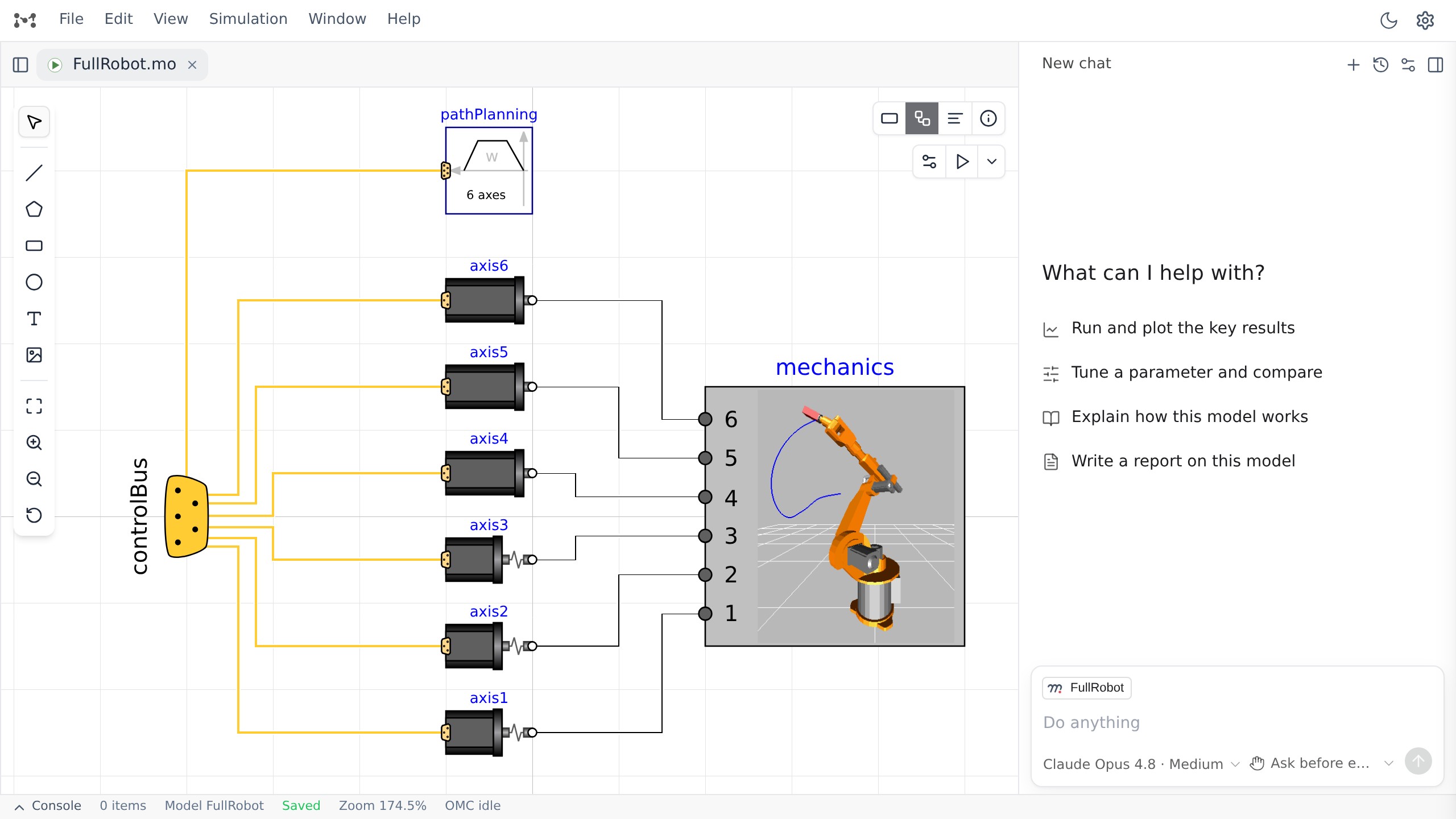
Model & diagram editing

MSL's RobotR3 FullRobot open on the Modex diagram canvas: a control bus fanning out to six axis drives, wired to a mechanical structure block that renders the robot's own library image

Figures & plotting

A Modex figure of a DC drive's speed response, with a hand-drawn magenta recovery corridor and the note “settle back in here”, beside the model's variable tree and its armature-current subplot

Documents & reports

A DC drive verification report open in the Modex document editor, its tab beside the model's: the report title, a summary line, a measured-results table giving each check a criterion, a measurement and a PASS, and an embedded simulation plot of shaft speed below it

Use your own agent

Claude Code, Codex, Cursor, or any compatible MCP client
External agent
❯Check speed recovery after a load-torque step.
●modex_modelica_run_simulation
→Run started
●modex_read_simulation_results
→Speed result loaded
●modex_add_document_plot_cards
→Added “Speed recovery” to Verification Report

Coming soon to the tools you already run.

Modex works with standard Modelica files today. Support for these is in development.

ETAP Simulink PLECS Wolfram SystemModeler PowerWorld

Product names and logos are trademarks of their respective owners.

Use Modex where you work.

Download the standalone Windows x64 public preview, or add Modex to VS Code or a compatible editor. Desktop and the extension have separate releases.

Desktop public preview

Modex Desktop app

Modex for VS Code

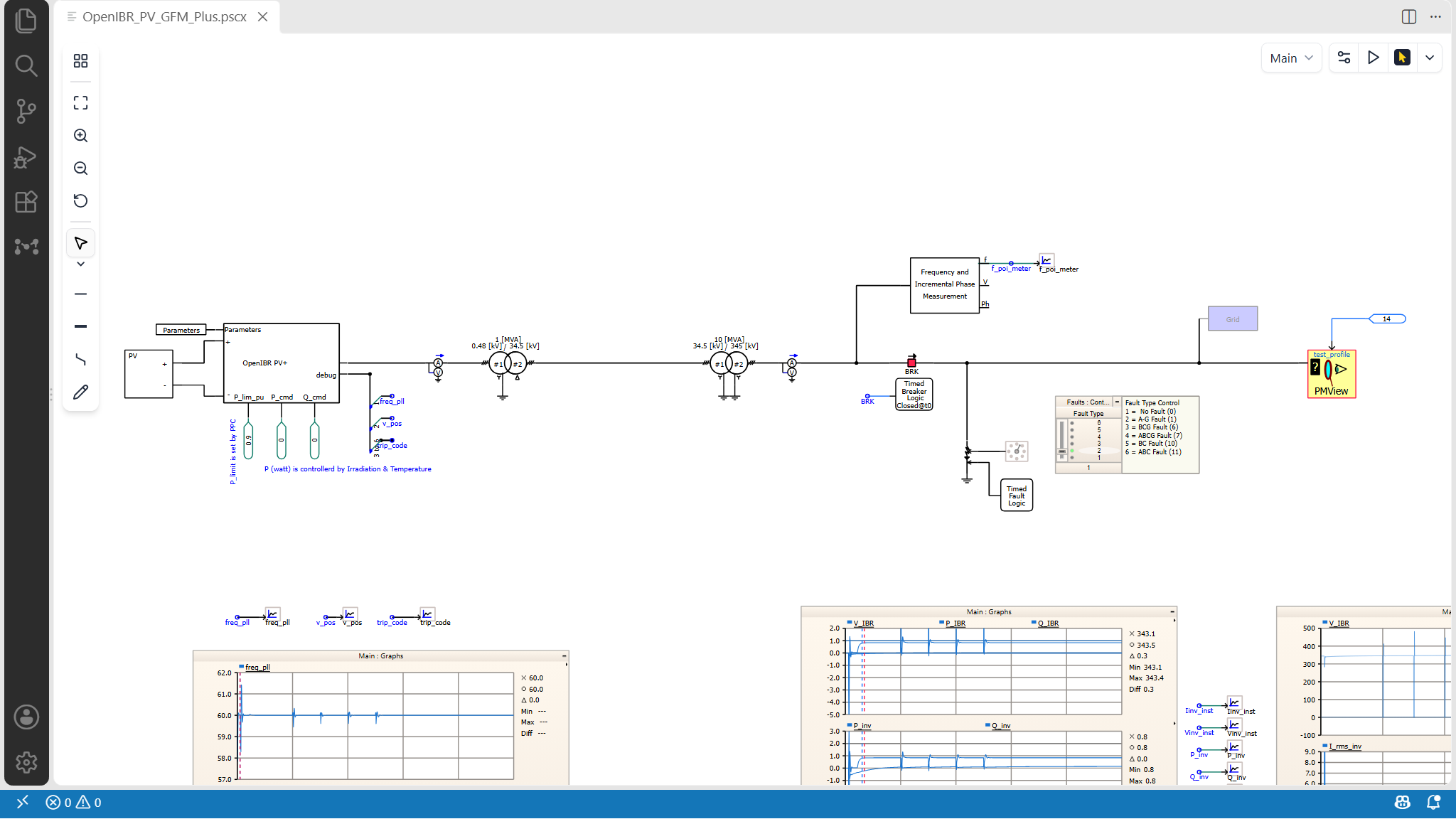
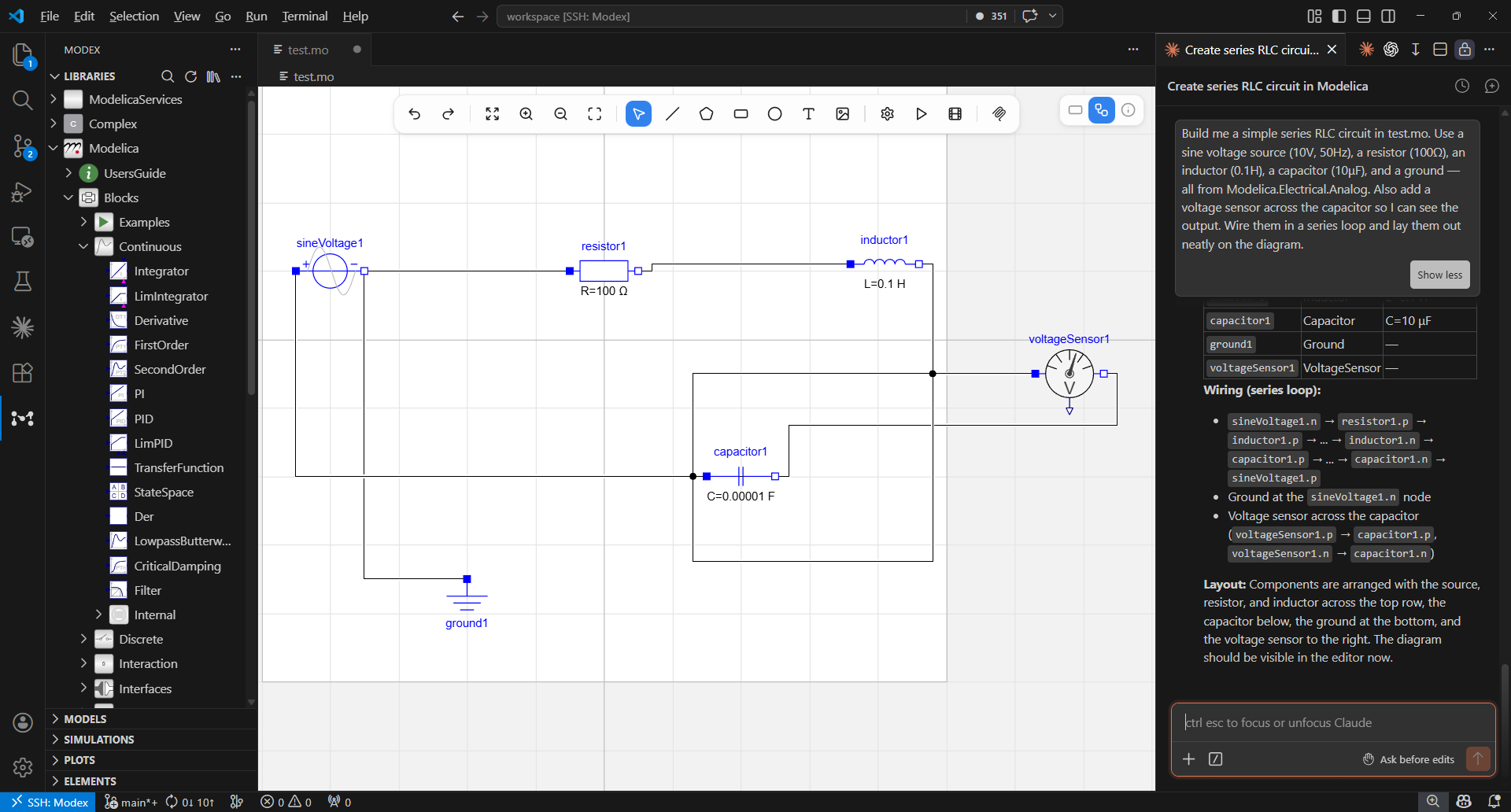
Modex in VS Code — a wired Modelica drive model on the canvas with the Modex agent alongside

Questions & answers

Which simulation tools does Modex work with?

Modex is Modelica-native today: it edits plain .mo files and runs them with the open-source OpenModelica compiler or, as a beta in the desktop app and the VS Code extension, with your own separately licensed Dymola. The desktop app and the VS Code extension can also open and edit PSCAD EMT projects in place, through the separately installed AgenticEMT package (preview). Support for other engineering tools, including Simulink, is in development.

What do I need to run a simulation?

A Modelica compiler on your own machine. Modex supports the open-source OpenModelica compiler today, and the desktop app walks you through setting it up on first run. The desktop app and the VS Code extension can also run your own licensed Dymola, as a beta. Models, simulation results, figures and documents all live as files on your own disk.

Does Modex work with my existing Modelica files?

Yes. Plain-text .mo files on disk are the source of truth. Modex works directly with existing Modelica source and the Modelica Standard Library, so your models do not need to be converted into a Modex-specific format.

Can I write up the results in the same place?

Yes. Documents live in the workspace beside the models, so a report can carry your text alongside tables and plots taken from completed runs, with their source preserved. In Modex Desktop you can also write LaTeX: a .tex file compiles when you save it, and the PDF opens in Modex's own reader. Modex installs the TeX toolchain for you when you ask.

Where can I get Modex?

Modex Desktop is available as a Windows-only public preview. The extension is available from the Visual Studio Marketplace and Open VSX. The downloads page also provides direct links for compatible editors including Cursor, Windsurf, VSCodium, and Google Antigravity.

Can I use my own AI agent instead of the built-in one?

Yes. Modex exposes its modeling tools over MCP. Use Settings → MCP in Desktop, or Agent Tools in the released VS Code extension, to connect Claude Code, OpenAI Codex, Claude Desktop, Gemini CLI, OpenCode and Kiro; Cursor and any other MCP client take a copied config snippet. Your agent can then search the library, edit the diagram, run simulations and read the results through the same modeling-tool interface.

What stays local, and what can be sent to an AI provider?

Your model files and simulation outputs are stored locally. When you explicitly submit an AI request or use external automation, relevant selected context or tool results may be sent to the runtime or provider you chose. See the privacy page for details.